
LASIK for High Vision Prescriptions: Understanding the Maximum Limits and Eligibility
Have a high prescription? LASIK can typically correct nearsightedness up to about -12 diopters. A look at the maximum limits and what makes someone eligible.
Farsightedness, medically known as hyperopia, is a common refractive error that affects vision, particularly at close distances. While some individuals may not experience noticeable symptoms, others might encounter various indicators signaling the presence of farsightedness. Recognizing these signs is crucial for timely diagnosis and effective management.
It’s important to note that while these symptoms are characteristic of farsightedness, not everyone with hyperopia experiences them. Children, in particular, may be farsighted without displaying noticeable signs due to the flexibility of their eye lens, which aids in accommodation between different distances.
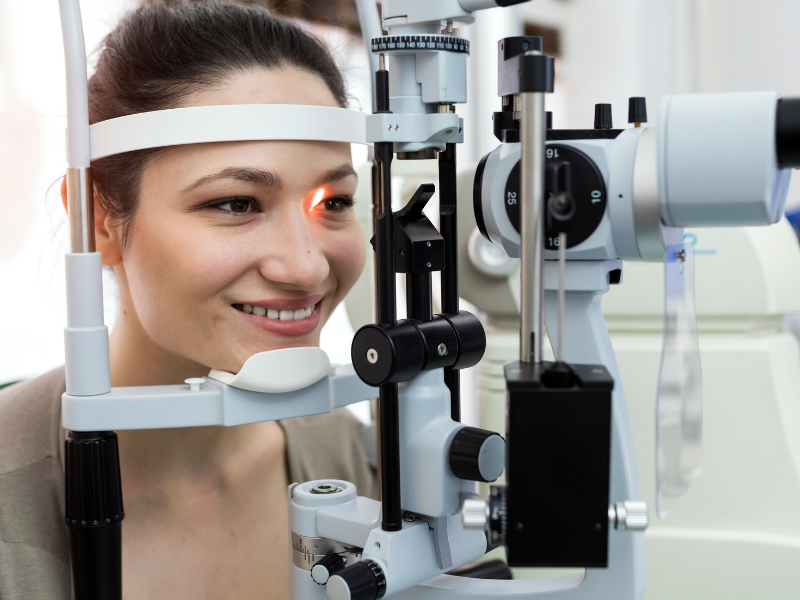
Diagnosing farsightedness requires a comprehensive eye examination conducted by an ophthalmologist or optometrist. Various tools and techniques are employed to assess visual acuity and determine the presence and severity of hyperopia.

By recognizing the symptoms and undergoing timely diagnosis, individuals with farsightedness can access appropriate corrective measures, such as glasses or contact lenses, or opt for refractive surgery to enhance clarity of vision. Regular eye examinations are essential for maintaining optimal eye health and addressing changes in your vision. If you are experiencing any of the symptoms associated with farsightedness, consulting an eye care professional is recommended for personalized evaluation and management.
Have a high prescription? LASIK can typically correct nearsightedness up to about -12 diopters. A look at the maximum limits and what makes someone eligible.
LASIK offers permanent correction with quick recovery, while Ortho-K uses overnight lenses for temporary, reversible reshaping. A comparison to help you choose.

LASIK and EVO ICL both reduce dependence on glasses and contacts but take very different approaches. A comprehensive comparison to help you choose the right one.

Now is the time. Find out if LASIK is right for you.