HomeLASIK BlogHow Safe Are Colored Contacts? What Every Wearer Should Know
Share
A Guide to Safe Use of Colored Contact Lenses
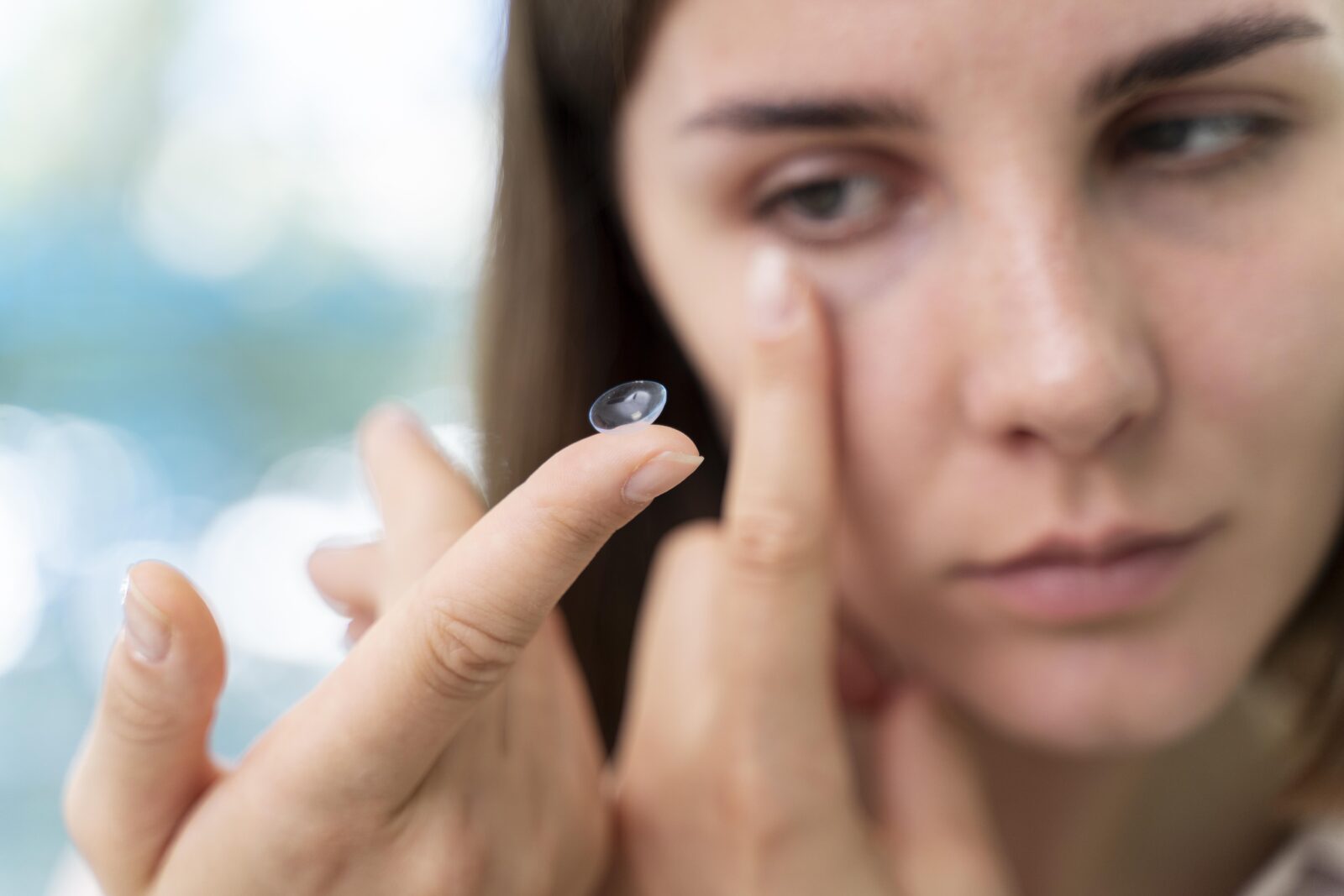
Colored contact lenses are a fun and stylish way to enhance or completely transform your look. Often referred to as costume or decorative lenses, they come in a wide range of colors and patterns to match different styles and occasions. However, while these lenses can be an exciting accessory, it’s essential to be aware of the proper usage and potential risks. So, how safe are colored contacts really? In this guide, we provide in-depth insights into the safe use of colored contact lenses, highlighting the importance of professional advice and following safety guidelines.
The Importance of Professional Guidance
Medical Device Classification
The FDA classifies contact lenses, including colored ones, as medical devices. This classification underscores the necessity of handling these lenses with the same care and precaution as any other medical device. Prescription-colored contact lenses, when properly fitted and used, are generally safe. However, non-prescription lenses purchased without professional oversight can pose significant risks to your eye health.
Role of Eye Care Professionals
Consulting an optometrist or ophthalmologist is essential before using colored contact lenses. Eye care professionals will:
Conduct a comprehensive eye examination to determine if you are a suitable candidate for contact lenses.
Measure your eyes to ensure a proper fit, which is crucial in minimizing the risk of eye injury or damage.
Provide a prescription tailored to your eye measurements and specific needs.
Proper fitting is vital, as ill-fitting lenses can cause serious complications, including corneal abrasions and infections.
Risks Associated with Non-Prescription Colored Contact Lenses
It is illegal to sell colored contact lenses without a prescription in many regions. Despite this, some online vendors and physical stores continue to offer these lenses without requiring a prescription.
Eye Safety Concerns
Non-prescription lenses can:
Cut or scratch the cornea, leading to corneal abrasions.
Cause infections that may result in severe complications, including keratitis and potential blindness.
Physical and Chemical Hazards
Non-prescription colored contact lenses often:
Are made from materials that are thicker, more rigid, and less breathable than regular lenses, increasing the likelihood of infections.
Contain dyes and printed patterns that can create uneven surfaces, further increasing the risk of eye damage.
Best Practices for Safe Use of Colored Contact Lenses
Whether you need vision correction or not, always obtain a prescription for colored contact lenses. Your eye doctor will ensure that the lenses fit correctly and are safe for your eyes.
Buy your contact lenses from reputable retailers who require a prescription. Look for FDA-approved lenses from well-known manufacturers or purchase directly through your eye doctor’s office. Avoid buying lenses from unauthorized vendors such as beauty stores, costume shops, or street sellers.
Be vigilant about any changes in your eyes. If you experience discomfort, redness, eye pain, or blurred vision, contact your eye doctor immediately. These symptoms could indicate an underlying issue that needs prompt attention.
In conclusion, colored contact lenses can be a fun and stylish accessory, but it is imperative to prioritize eye safety. Always seek professional advice, obtain a valid prescription, purchase from reputable sources, and adhere to strict hygiene practices. By following these guidelines, you can enjoy the aesthetic benefits of colored contact lenses while protecting your eye health.
My eye is itching and feels like I have a small bump. It seems a little red when I look in the mirror, and it hurts. Is there a real cause for concern? According to the Cleveland Clinic, what you may be experiencing is what is known as “A stye is a painful red bump… Continue Reading
For many teenagers and young adults struggling with vision problems, laser eye surgery represents an appealing alternative to glasses and contact lenses. However, several crucial medical considerations come into play when evaluating LASIK candidacy for patients under 20. We’ll explore the scientific rationale behind age restrictions, essential eligibility criteria, and what young patients need to… Continue Reading
Blue light serves a vital purpose in our lives, excessive exposure has been linked to a multitude of potential health concerns, particularly for our eyes.